Wes Woodland
Counsellor
Burnout Counselling in Blandford Forum
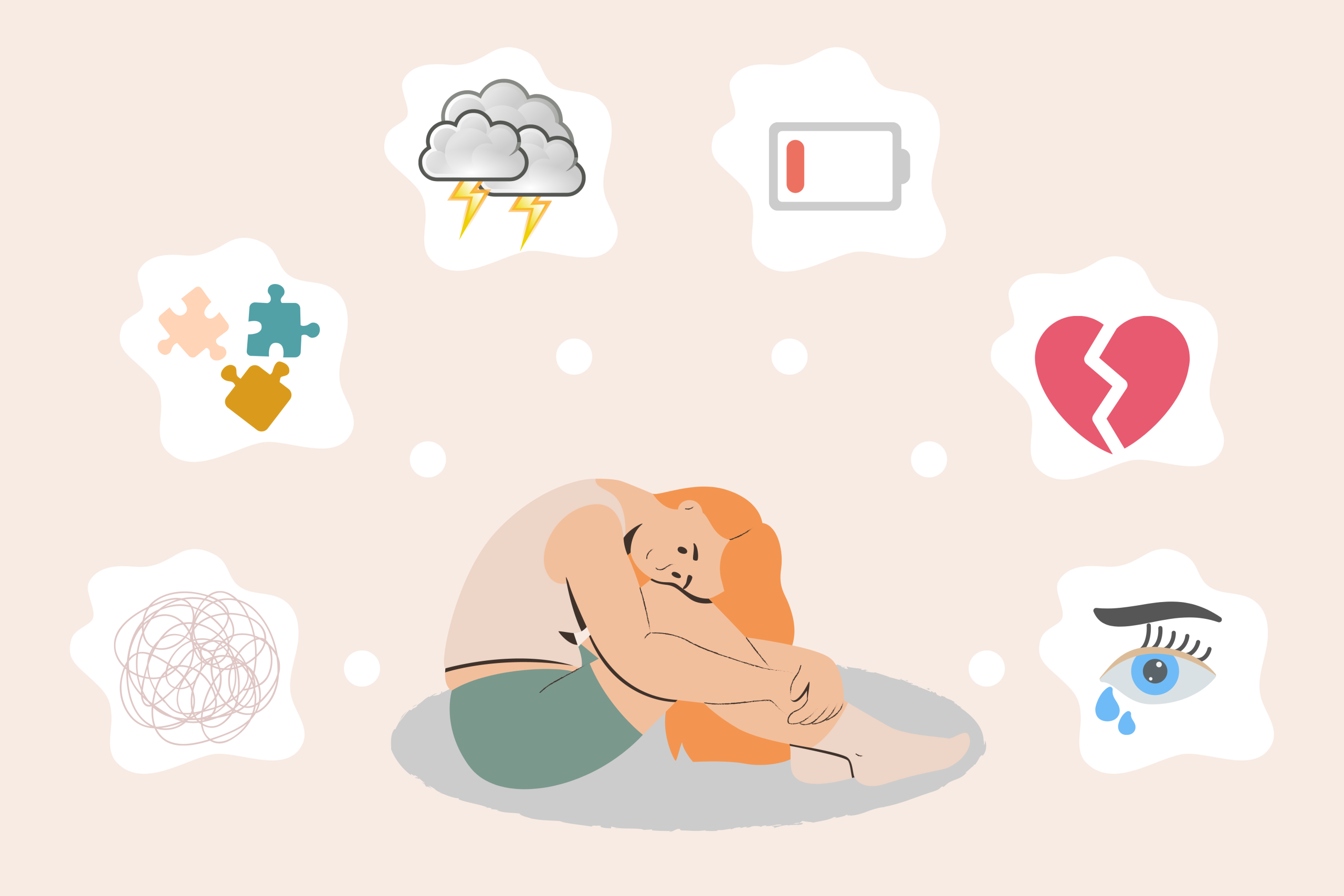
Burnout can leave you feeling exhausted, overwhelmed and unable to think clearly. You may know that something needs to change but feel as though you do not have the energy to work out what that change could be. Instead, you might find yourself focusing on the next deadline or difficult period, telling yourself that if you can just push through a little longer, things will eventually become easier.
When your nervous system has been under pressure for a prolonged period, it can become difficult to access the perspective and problem-solving abilities you would usually rely upon. Therapy can offer somewhere to step outside that cycle and begin understanding what you need, without giving you another list of things you should be doing.

Beginning With Stabilisation
When I work with somebody experiencing burnout, my first priority is usually stabilisation. Before exploring how you arrived here, we may need to help your nervous system settle enough for you to breathe and begin thinking more clearly.
I often use the Window of Tolerance to explain what can happen when somebody has been overwhelmed for too long. From there, we can look for manageable ways to create some space in your life. This might involve asking for support, temporarily reducing a responsibility or finding brief periods when nothing is required of you.
If your circumstances cannot immediately be changed, our sessions may simply offer an hour in which you do not need to perform, achieve or solve anything. We might use breathing exercises, slow everything down and allow your nervous system some time to settle. Deeper therapeutic work can wait until you have more capacity for it.
Understanding How You Reached Burnout
Once you feel more stable, we can begin looking at prevention. Burnout often seems to “just happen” because people do not recognise what is happening until they are already deeply inside it. Looking back, however, we may begin to identify the patterns that made it difficult to respond sooner.
Therapy might involve exploring:
- Your relationship with work, responsibility and achievement.
- Whether your self-worth has become connected to being productive or dependable.
- Perfectionism or a strong inner critic.
- Difficulty saying no or maintaining boundaries.
- Guilt, shame or discomfort around resting.
- The demands of an unhealthy workplace, relationship or wider system.
The purpose is not to blame you for becoming burnt out. People can be placed under genuinely unreasonable pressure, and an unhealthy workplace does not become healthy simply because an employee improves their self-care.


Recognising Your Early Warning Signs
As you recover, we can look back at when you first noticed something changing. Your warning signs might appear in your thoughts, mood, sleep, concentration or relationships. They may also take the form of a familiar promise: “If I can just get through the next few weeks, everything will be fine.”
Recognising these signs creates an opportunity to put the brakes on before you return to full burnout. However, this can also bring us to a deeper question: do you believe your needs are important enough to respond to before you reach a crisis?
When therapy goes well, you may begin to feel more like your usual self again. As the exhaustion and tunnel vision ease, it can become possible to think more clearly, put your circumstances into perspective and establish boundaries that support a healthier balance. The aim is not to remove ambition, responsibility or hard work from your life, but to recognise when they are costing more than you can sustainably give.
Counselling in Blandford Forum and Online
I offer counselling for burnout in Blandford Forum and online. If you would like to see whether working together might be helpful, I offer a free 20-minute consultation where you can tell me a little about what has been happening and ask any questions you may have. There is no pressure to book a session afterwards.
You can explore my thinking in more depth in my blog.