Wes Woodland
Counsellor
Anger Counselling in Blandford Forum
Anger can be a difficult emotion to know what to do with. Perhaps you find yourself becoming angry quickly, snapping at people or behaving in ways you later regret. Or perhaps your experience is almost the opposite. You may struggle to recognise when you’re angry, keep the peace, put other people’s needs first and find it difficult to say when something isn’t okay.
I don’t see anger itself as the problem. Anger can be useful information. It can tell us that something matters, that a boundary has been crossed, that we’ve been hurt or that something in our lives needs attention. Sometimes it gives us the energy to act.
For some people, counselling involves learning how to find their anger. For others, it involves learning how to step back from it. Either way, the aim is not to get rid of anger, but to develop a healthier relationship with it.


How I Understand Anger
We often learn from a young age that anger is something to suppress. We’re told to stop shouting, calm down, behave ourselves and not make a fuss. Over time, some people become very good at accommodating others, avoiding conflict and pushing their own feelings aside.
This can be particularly important for people who have experienced abuse or difficult relationships. If fighting back didn’t keep you safe, you may have learned to freeze, keep other people happy or make yourself as easy as possible to be around. People pleasing can sometimes become a way of trying to eliminate the possibility of conflict altogether.
In these circumstances, therapy may involve becoming more comfortable with anger rather than less. You can learn that you are allowed to be angry, that you don’t have to make your anger polite or reasonable, and that expressing it doesn’t automatically mean you will damage a relationship.
For others, anger can arrive quickly and intensely. You may find yourself shouting, becoming defensive or saying things you later regret before you have had time to think about what is happening.
Here, the work may involve becoming more aware of the physical signs of anger (the heat, tension, racing thoughts, change in your voice or feeling of going from zero to sixty), so that you can recognise what is happening before you act on it.
What We Can Explore Together
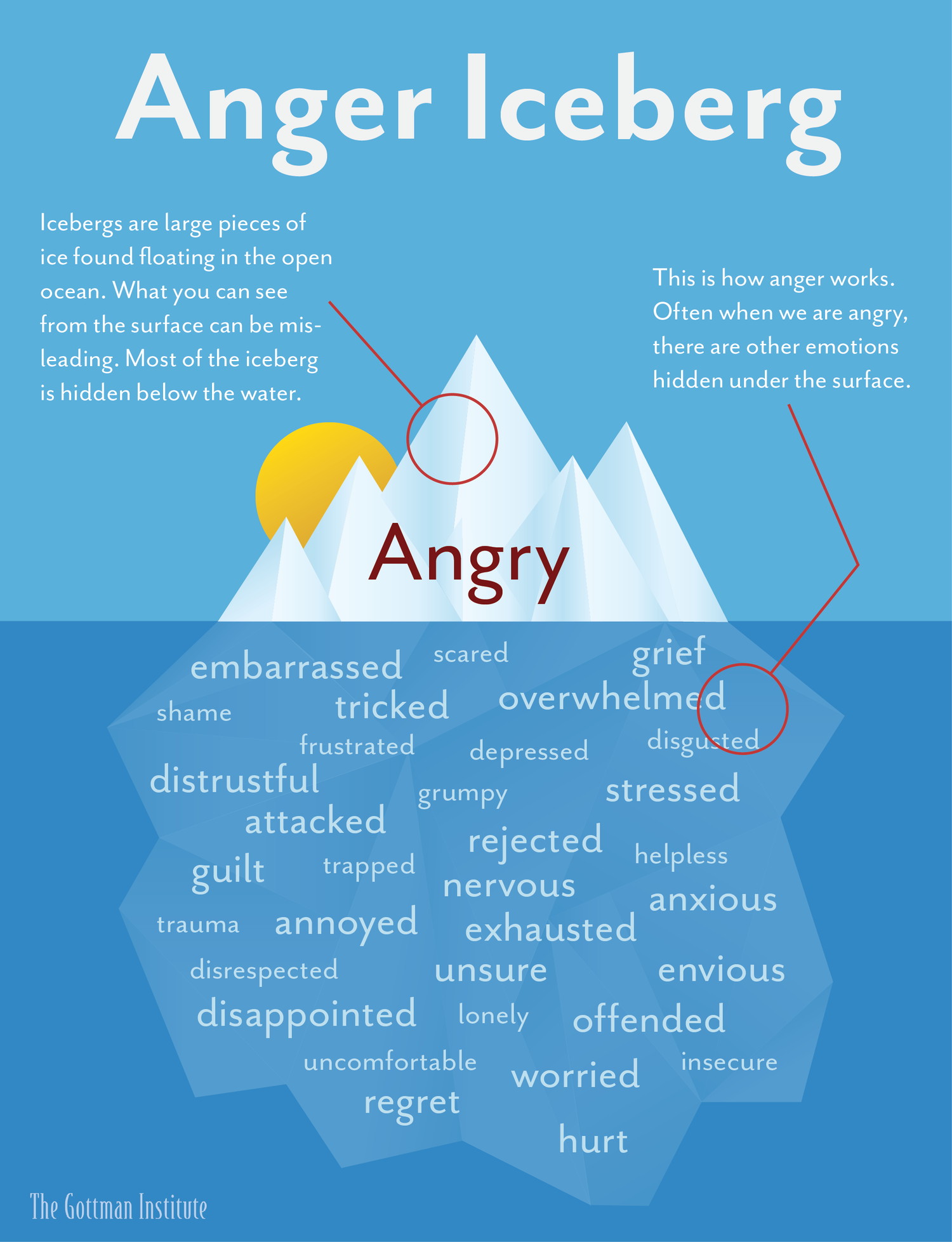
Anger can sometimes sit on top of other feelings such as hurt, disappointment, shame, guilt or fear. It can feel easier to say “I’m fucking angry” than “That really hurt me.” We can explore what might be underneath your anger and whether there is something you need to communicate.
There is an important difference between listening to your anger and believing everything your anger tells you.
Together, we might explore:
- How to have anger without allowing it to dictate what you do next
- What your anger is telling you about your needs, boundaries or relationships
- What happens in your body and mind when anger starts to build
- Whether you tend to suppress anger or become overwhelmed by it
- What might be underneath your anger — and whether there actually needs to be anything underneath it
- How to express anger and boundaries without suppressing yourself or hurting somebody else
- How to communicate hurt, disappointment or vulnerability more openly
- When walking away, creating distance or ending a relationship might be a healthy form of self-protection
Anger In the Therapy Room
The therapeutic relationship is particularly important when working with anger. You don’t have to protect me from your emotions. If you’re angry with me, frustrated by something I’ve said or unhappy with something happening in therapy, I want you to be able to tell me.
The therapy room can become a kind of training ground for expressing anger, disagreeing, setting boundaries and allowing somebody to see parts of you that you would normally hide. You can discover that conflict doesn’t automatically mean abandonment, that you don’t have to make yourself smaller to keep a relationship intact, and that an uncomfortable moment can sometimes be repaired rather than simply escaped.
Hopefully, those experiences can gradually become something you feel more able to take into the rest of your life.
Ultimately, I want you to feel more able to listen to your anger without being controlled by it, and express it without needing to suppress it.
Counselling in Blandford Forum and Online
If you’d like to explore this with me, you can get in touch to arrange a free 20-minute consultation. We can talk about what’s been happening for you, what you’re hoping to get from counselling, and whether working together feels like the right fit.
If you’d like to understand more about how I think about anger before getting in touch, you can also read my longer post, What If Anger Isn’t the Problem?